
Research tools targeting incretin pathways and inflammasome signaling
GLP-1 (Glucagon-like peptide-1) and GIP (glucose-dependent insulinotropic polypeptide) have transformed the therapeutic landscape of metabolic diseases such as type 2 diabetes mellitus (T2DM) and obesity. Through activation of their receptors (GLP-1R and GIPR), these gut-derived hormones, also known as incretins, enhance glucose-dependent insulin secretion, improve glycemic control, modulate lipid metabolism, and reduce appetite. Multi-receptor strategies incorporating glucagon receptor (GCGR) activation further enhance energy expenditure and lipid utilization, reinforcing metabolic benefits across obesity and T2DM, with emerging implications for cardiovascular disease.
Beyond their metabolic actions, incretin and glucagon signaling intersects with innate immune regulation. Obesity and T2DM are now recognized as states of chronic low-grade inflammation (metaflammation), in which nutrient excess and metabolic stress promote activation of the NLRP3 inflammasome in adipose tissue, liver, pancreatic islets, and even the central nervous system. In the liver, this inflammatory process contributes to the progression of non-alcoholic fatty liver disease (NAFLD). Inflammasome activation drives caspase-1 activation and IL-1β/IL-18 maturation, contributing to insulin resistance, progressive β-cell dysfunction, and neuroinflammation, which has been implicated in neurodegenerative disorders such as Alzheimer’s disease and Parkinson’s disease.
Emerging evidence indicates that GLP-1R and GIPR signaling can attenuate NF-κB–dependent inflammatory pathways and reduce NLRP3 inflammasome activity in metabolic tissues. Similarly, GCGR-mediated improvements in hepatic lipid handling and fatty acid oxidation are associated with reduced metabolic stress and lower inflammasome activation. This mechanistic link between metabolic dysfunction and inflammation is now entering clinical translation: combination strategies evaluating selective NLRP3 inhibitors (e.g., NT-0796, VTX3232) together with the GLP-1R agonist semaglutide are being investigated in the treatment of obesity and cardiovascular disease.
InvivoGen offers a comprehensive portfolio of tools to explore immunometabolism research.
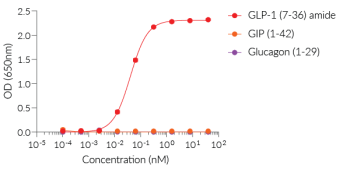
- Incretin & Hormone Research Tools: Reporter cell lines for GLP-1R, GIPR, and GCGR signaling, along with high-quality, sterile receptor ligands suitable for both in vitro and in vivo studies.
- Inflammasome Research Tools: Human and murine inflammasome test cells, inflammasome inducers, selective NLRP3, AIM2, and caspase inhibitors, inflammasome-related gene constructs, and TLR ligands for priming and activation studies.
Illustrations created with BioRender.com