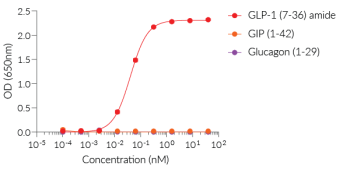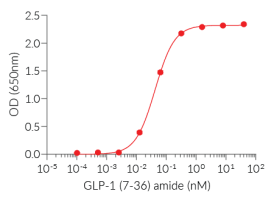
Obesity and type 2 diabetes mellitus (T2DM) are rising worldwide. Central to these diseases are the hormones glucagon-like peptide-1 (GLP-1), glucose-dependent insulinotropic polypeptide (GIP), and glucagon (GCG). GLP-1 receptor agonists (GLP-1RAs) have revamped pharmacological treatment through robust insulin secretion and appetite suppression, driving the development of strategies that target GLP-1R in combination with the GIP and GCG receptors (GIPR and GCGR). However, these pathways reveal a therapeutic paradox: as GLP-1 and GIP stimulate insulin secretion, GCG signaling exerts opposing effects on glucose and fat metabolism. Here, we highlight the emerging potential of these hormones and their unresolved risks linked to long-term neurological effects.
Obesity and T2DM background
Obesity and T2DM have reached epidemic proportions worldwide. Nearly 2 billion individuals are clinically obese and more than 500 million have developed T2DM1,2. These conditions are closely linked and frequently occur together due to shared defects in metabolic regulation. Excess adiposity promotes chronic, low-grade inflammation and the accumulation of lipid intermediates in insulin-sensitive tissues, particularly liver and muscle tissues. These metabolites interfere with insulin receptor signaling, progressively reducing insulin sensitivity and driving compensatory hyperinsulinemia. As insulin resistance worsens, glucose uptake becomes inefficient, leading to chronic hyperglycemia and the development of T2DM. Obesity and T2DM consequently predispose patients to cardiovascular, renal, and neurological complications1,2.
GLP-1/GIP/GCG signaling
GCG and insulin are produced in pancreatic α and β cells, respectively, and exert opposing actions to maintain metabolic homeostasis. While insulin promotes glucose uptake by cells, lowering its levels in the blood, it also induces lipogenesis in adipocytes and inhibits GCG secretion. In contrast, GCG (via GCGR activation) stimulates lipolysis and glycogen breakdown into glucose, increasing blood glucose levels3.
Complementing this counterbalance, GLP-1 and GIP are gut-produced hormones (also known as incretins) secreted in response to postprandial glucose (Fig. 1)4,5. Glucose first initiates insulin secretion by triggering Ca2+ influx in β-cells. Then GLP-1 increases intracellular cAMP and prolongs Ca²⁺ channel activity, thereby amplifying insulin exocytosis only when glucose levels are elevated4. This “volume control” mechanism explains why GLP-1RAs became such crucial therapies for treating T2DM, as glucose remains the primary “power switch” for insulin secretion4. Beyond β cell signaling, GLP-1 also reduces appetite through central nervous system (CNS) pathways, likely involving Ca2+-dependent modulation of GABAergic and glutamatergic neurons, although such mechanisms remain only partially defined6. GIP, on the other hand, exerts seemingly paradoxical actions. It stimulates insulin production and release in β cells, similarly to GLP-1, while simultaneously promoting GCG secretion from α cells. This dual activity makes its net metabolic outcome difficult to predict5.
The broad distribution of GLP-1R, GIPR, and GCGR, and their ability to regulate genes controlling insulin/GCG secretion, lipid and glucose metabolism, and appetite, make them essential for systemic metabolic homeostasis. They are G-protein-coupled receptors that elevate intracellular cAMP levels and engage the PKA–CREB pathway to regulate genes controlling insulin/GCG secretion, glucose and lipid metabolism, and appetite regulation4,5,7,8. Balanced GLP-1R, GIPR, and GCGR activity is therefore essential for systemic metabolic homeostasis, and therapeutic modulation of these pathways has become a central focus of obesity and T2DM drug development4,5,7.
Clinically, GLP-1RAs have demonstrated robust efficacy in T2DM. Agents such as semaglutide have achieved marked improvements in glycemic control, setting the stage for subsequent dual and triple receptor agonism strategies (Fig. 2). Indeed, 40 weeks of treatment reduced HbA1c levels (long-term glycemic marker) from diabetic ranges to levels below the diabetic threshold9. Beyond glycemic control, clinical trials consistently revealed a marked reduction in body weight (BW). This weight-loss effect, initially observed during T2DM treatment, led to the evaluation of higher doses, at which semaglutide induced ~14% BW loss in 68 weeks and gained approval for obesity management10. Orforglipron, an oral GLP-1RA, has achieved similar clinical results compared to the injectable semaglutide11. Furthermore, agonists simultaneously targeting GLP-1R and GIPR or GLP-1R, GIPR, and GCGR achieved even greater results in BW reduction. Dual GLP-1R/GIPR agonism with FDA-approved tirzepatide resulted in ~20% BW loss in 72 weeks12. Triple GLP-1R/GIPR/GCGR agonist retatrutide has produced ~24% BW reduction within 48 weeks in clinical trials13. These treatments illustrate how poly-agonism can achieve greater BW loss in a shorter time.
Despite the success of poly-agonism, emerging data showing that GIPR and GCGR inhibition can confer metabolic benefits challenge this straightforward agonism paradigm (Fig. 2). AMG-133, a GIPR antagonist fused to two GLP-1 analogue peptides, produced striking BW loss (~16% in 12 weeks) in obese humans and showed similar effects in obese mice and non-human primates (NHPs)14. This mirrors earlier findings in which GIPR knockout mice resisted diet-induced obesity15, and AT-7687 (GIPR antagonism) combined with a GLP-1RA outperformed either treatment alone in NHPs16. A similar paradox emerges for GCGR. While GCGR activation in the context of triple GLP-1R/GIPR/GCGR agonism with retatrutide markedly reduced HbA1c levels17, GCGR antagonism alone using LGD-6972 significantly lowered fasting plasma glucose in humans18. Consistently, mice lacking GCGR display reduced food intake, improved glucose tolerance, and elevated endogenous GLP-1 levels19.
Across clinical strategies involving either receptor agonism or inhibition, adverse effects predominantly include nausea, vomiting, and/or diarrhea9-14,16,17, emphasizing the complexity of receptor modulation in therapeutic design.
These findings highlight a central challenge: defining the optimal activity of GLP-1R, GIPR, and GCGR that maximizes therapeutic benefits while minimizing adverse effects. While GLP-1R agonism reliably promotes favorable glucose and weight outcomes4, the contributions of GIPR and GCGR remain more nuanced and condition-dependent14-19, underscoring the need for continued research to resolve receptor interplay across different tissues.
Impacts in the CNS
Beyond their metabolic roles, GLP-1R, GIPR, and GCGR are expressed in CNS cells (e.g., neurons, astrocytes, microglia, oligodendrocytes), where they regulate neuroinflammation, oxidative stress, and cell survival20. Receptor activation engages cAMP-dependent pathways, notably PKA/CREB, MAPL/ERK, and Epac, supporting anti-inflammatory, antioxidant, and pro-survival responses (Fig. 3). Anti-apoptotic signaling by these hormones involves upregulation of Bcl-2 and Bcl-xL and inhibition of BAD, p53, and FOXO1/FOXO3, while suppression of the NF-κB pathway limits chronic neuroinflammation.
Together, these mechanisms promote neuroprotection20. In models of Alzheimer’s and Parkinson’s diseases, GLP-1R and GIPR agonists reduce microglial activation, preserve mitochondrial function, and restore synaptic plasticity, leading to improved cognitive and motor outcomes21,22. These findings have been translated clinically as well, with GLP-1RAs such as exenatide, liraglutide, and semaglutide, currently being evaluated in clinical trials for neurodegenerative diseases22.
These benefits, however, come with unresolved concerns, and emerging clinical observations highlight this uncertainty: in a matched cohort of 162,253 patients, GLP-1RA treatments were associated with a 98% increased risk of psychiatric disorders, including a 195% higher risk of major depression, a 108% increased risk of anxiety, and a 106% elevated risk of suicidal behavior23. Although mechanisms remain unclear, these findings underscore the urgent need to map long-term CNS consequences of chronic receptor engagement, particularly as increasingly potent dual and triple agonists enter clinical use23.
As therapeutic research accelerates, key questions remain unanswered: how do these receptors interact across CNS cell types? What balance of GLP-1R, GIPR, and GCGR activation is optimal and safe for the brain? And how do long-lasting agonists reshape neuroimmune communication over months or years? Addressing these gaps will require models capable of resolving receptor-specific contributions in signaling.
Discover our research tools targeting incretin pathways
References
1. WHO, 2023. WHO Fact Sheet: Obesity and Overweight.
2. IDF, 2025. IDF Diabetes Atlas.
3. Holst J.J. et al., 2017. Insulin and Glucagon: Partners for Life. Endocrinology. 158:696–701.
4. Smith N.K. et al., 2019. GLP-1: Molecular mechanisms and outcomes of a complex signaling system. Neurochem Int. 128:94–105.
5. Müller T.D. et al., 2025. Glucose-dependent insulinotropic polypeptide (GIP). Mol Metab. 95:102118.
6. Brierley D.I. et al., 2021. Central and peripheral GLP-1 systems independently suppress eating. Nat Metab. 3:258–273.
7. Habegger K.M., 2022. Cross Talk Between Insulin and Glucagon Receptor Signaling in the Hepatocyte. Diabetes. 71:1842–1851.
8. Dalle S. et al., 2011. Roles and regulation of the transcription factor CREB in pancreatic β -cells. Curr Mol Pharmacol. 3:187–195.
9. Frías J.P. et al., 2021. Tirzepatide versus Semaglutide Once Weekly in Patients with Type 2 Diabetes. N Engl J Med. 385:503–515.
10. Wilding J.P.H. et al., 2021. Once-Weekly Semaglutide in Adults with Overweight or Obesity. N Engl J Med. 384:989–1002.
11. Wharton S. et al., 2025. Orforglipron, an Oral Small-Molecule GLP-1 Receptor Agonist for Obesity Treatment. N Engl J Med. 393:1796–1806.
12. Jastreboff A.M. et al., 2022. Tirzepatide Once Weekly for the Treatment of Obesity. N Engl J Med. 387:205–216.
13. Jastreboff A.M. et al., 2023. Triple–Hormone-Receptor Agonist Retatrutide for Obesity — A Phase 2 Trial. N Engl J Med. 389:514–526.
14. Véniant M.M. et al., 2024. A GIPR antagonist conjugated to GLP-1 analogues promotes weight loss with improved metabolic parameters in preclinical and phase 1 settings. Nat Metab. 6:290–303.
15. Boer G.A. et al., 2021. GIP receptor deletion in mice confers resistance to high-fat diet-induced obesity via alterations in energy expenditure and adipose tissue lipid metabolism. Am J Physiol Heart Circ Physiol. 320:E835–E845.
16. Jensen M.H. et al., 2024. AT-7687, a novel GIPR peptide antagonist, combined with a GLP-1 agonist, leads to enhanced weight loss and metabolic improvements in cynomolgus monkeys. Mol Metab. 88:1–12.
17. Rosenstock J. et al., 2023. Retatrutide, a GIP, GLP-1 and glucagon receptor agonist, for people with type 2 diabetes: a randomised, double-blind, placebo and active-controlled, parallel-group, phase 2 trial conducted in the USA. The Lancet. 402:529–544.
18. Pettus J. et al., 2018. Glucagon Receptor Antagonist LGD-6972 Significantly Lowers HbA1c and Is Well Tolerated after 12-Week Treatment in Patients with Type 2 Diabetes Mellitus (T2DM) on Metformin. Clin Diabetes Ther. 67:73-OR.
19. Conarello S.L. et al., 2007. Glucagon receptor knockout mice are resistant to diet-induced obesity and streptozotocin-mediated beta cell loss and hyperglycaemia. Diabetologia. 50:142–150.
20. Kopp K.O. et al., 2022. Glucagon-like peptide-1 (GLP-1) receptor agonists and neuroinflammation: Implications for neurodegenerative disease treatment. Pharmacol Res. 186:106550.
21. Zhang Z.Q. & Hölscher C., 2020. GIP has neuroprotective effects in Alzheimer and Parkinson's disease models. Peptides. 125:170184.
22. Gandhi A. & Parhizgar A., 2025. GLP-1 receptor agonists in Alzheimer’s and Parkinson’s disease: endocrine pathways, clinical evidence, and future directions. Front Endocrinol. 16:1–12.
23. Kornelius E. et al., 2024. The risk of depression, anxiety, and suicidal behavior in patients with obesity on glucagon like peptide-1 receptor agonist therapy. Sci Rep. 14:1–12.